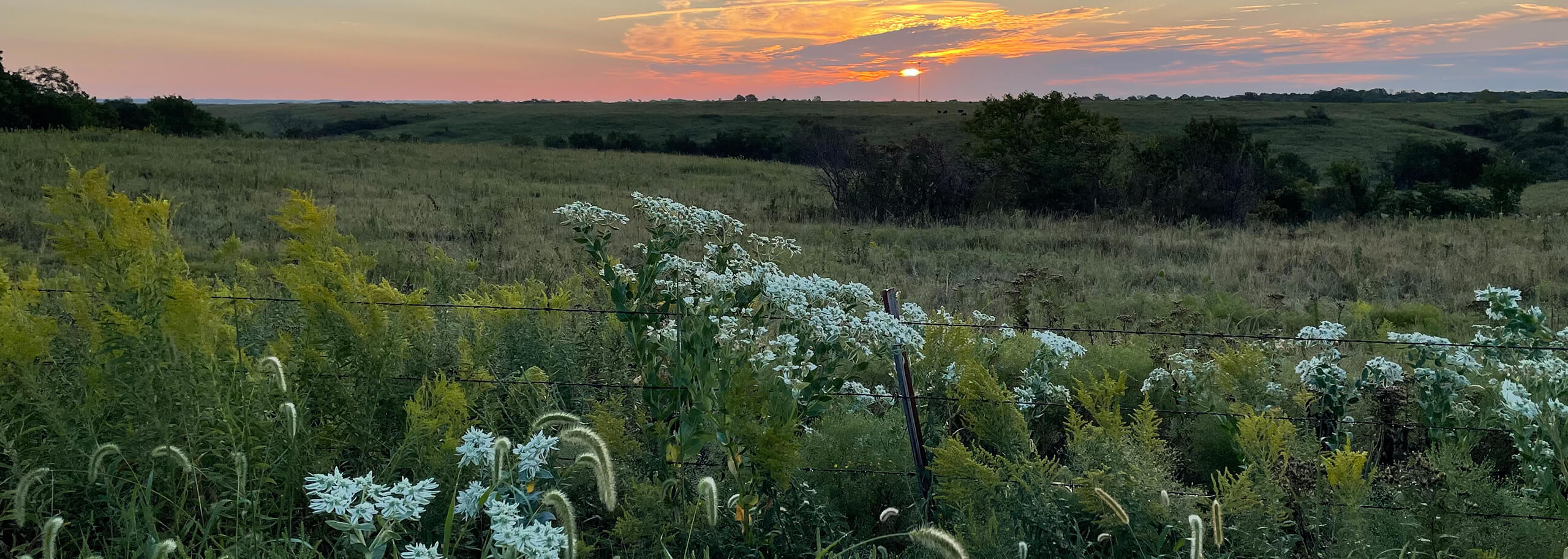
The Tallgrass Prairies of the Flint Hills and other native grasslands in Kansas face the risk of significant decline within a few decades. Audubon of Kansas remains a leading advocate for addressing the threats posed by invasive grasses, which endanger native rangelands, prairies, wet meadows, and wetlands.
A top concern is the rapid spread of Old World Bluestems (OWB)—specifically Caucasian bluestem (Bothriochloa bladhii) and Yellow bluestem (B. ischaemum)—which pose an immediate and growing threat in Kansas and are beginning to encroach into southern Nebraska. AOK continues to push for stronger, systematic control measures to combat these aggressive invaders before they permanently alter the region’s native ecosystems.
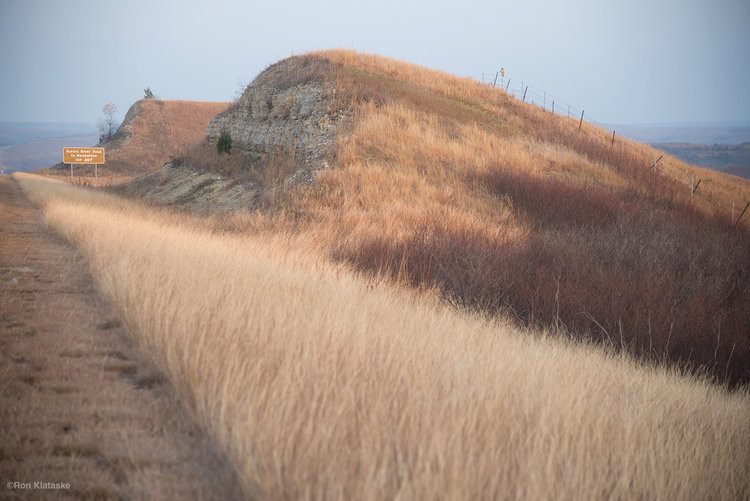
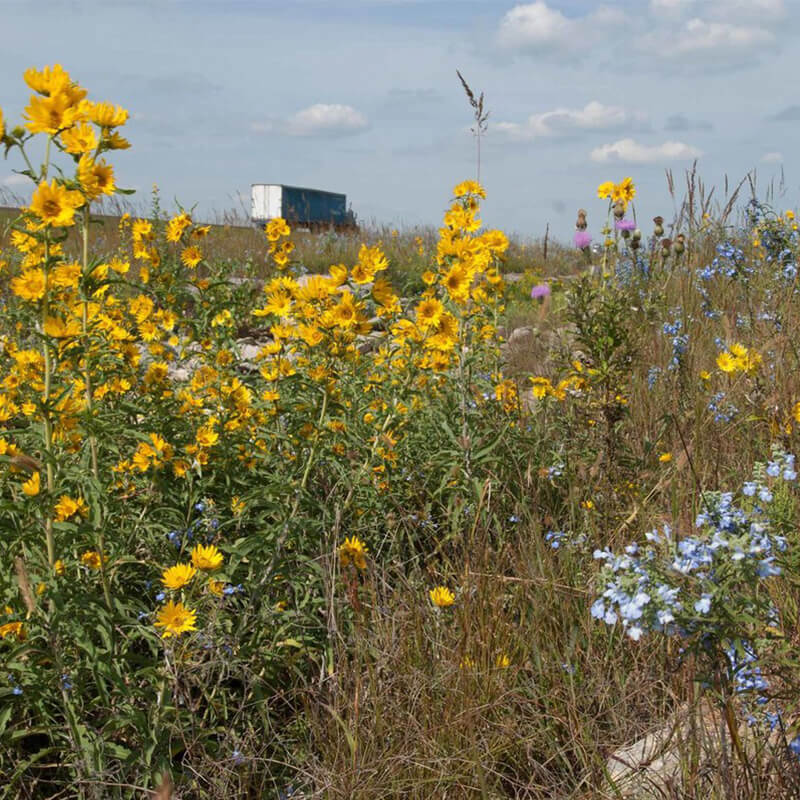
AOK has long been a strong advocate for the establishment and improved management of native prairie grasses and wildflowers along Kansas highways, which are maintained by the Kansas Department of Transportation (KDOT) and the Kansas Turnpike Authority (KTA). With more than 150,000 acres of vegetated right-of-way along over 10,000 miles of state highways, these roadside grasslands are among the most visible remnants of Kansas’ prairie landscape.
These areas have the potential to support pollinating insects, provide nesting cover for grassland birds, and enhance the natural beauty of the state. However, the success of these habitats depends on responsible management, including adherence to limited mowing policies that help maintain their ecological value. Audubon of Kansas continues to advocate for conservation practices that ensure these roadside prairies thrive.

.svg)
.svg)
.svg)