Audubon of Kansas (AOK) is among several organizations advocating for conservation efforts that support prairie-chickens. AOK promotes Environmental Quality Incentive Program (EQIP) funding for patch-burn grazing and backs special Conservation Reserve Program and EQIP initiatives for Lesser Prairie-Chickens. The organization has opposed efforts to replace habitat conservation with captive breeding. AOK supported the decisions to list Lesser Prairie-Chickens as endangered in New Mexico and Texas and threatened in Kansas. We currently oppose efforts underway to de-list the species or defund enforcement of the Endangered Species Act.

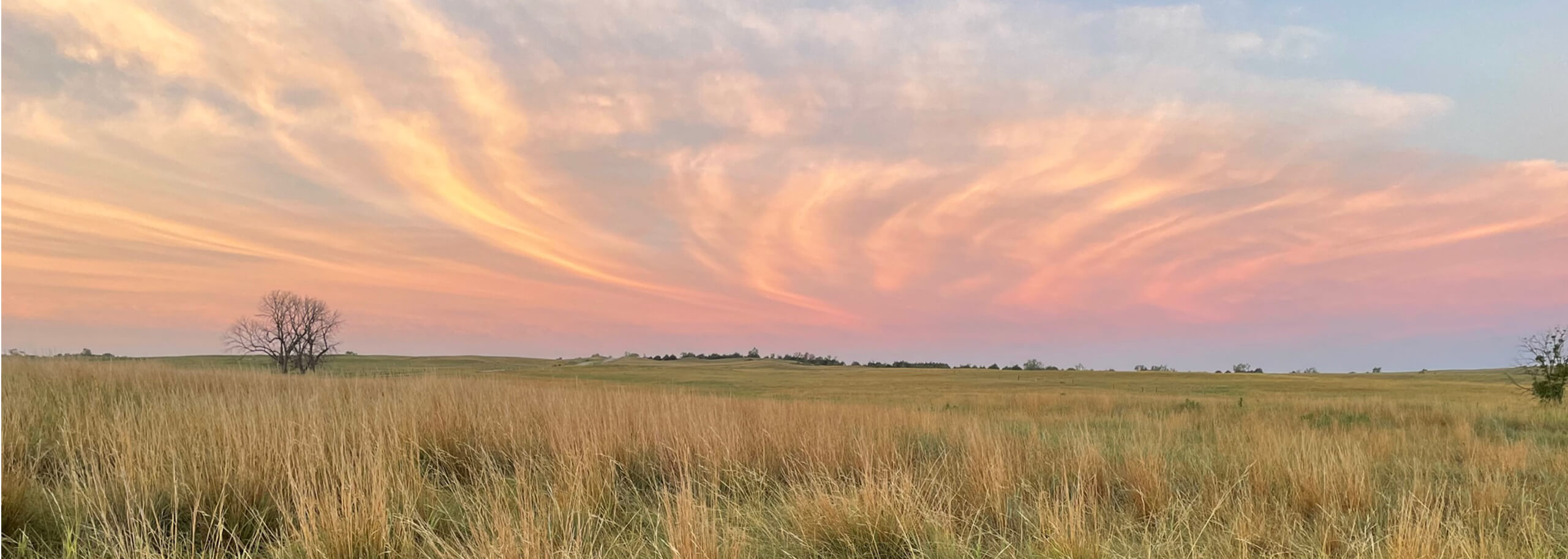
The quality of prairie habitat directly impacts prairie-chicken populations. These birds require a variety of grass heights throughout the year—short grass for displaying, tall grass for nesting, and intermediate-height grass for raising chicks. Grazing practices like patch-burn patch-graze create the diverse habitats that prairie-chickens and many other grassland birds need. Horned Larks and Savannah Sparrows prefer short grass, while Henslow’s Sparrows require tall, thick grass. In contrast, intensive, uniform grazing and annual burning of entire pastures reduce habitat diversity, making the land less suitable for prairie-chickens and other grassland species.
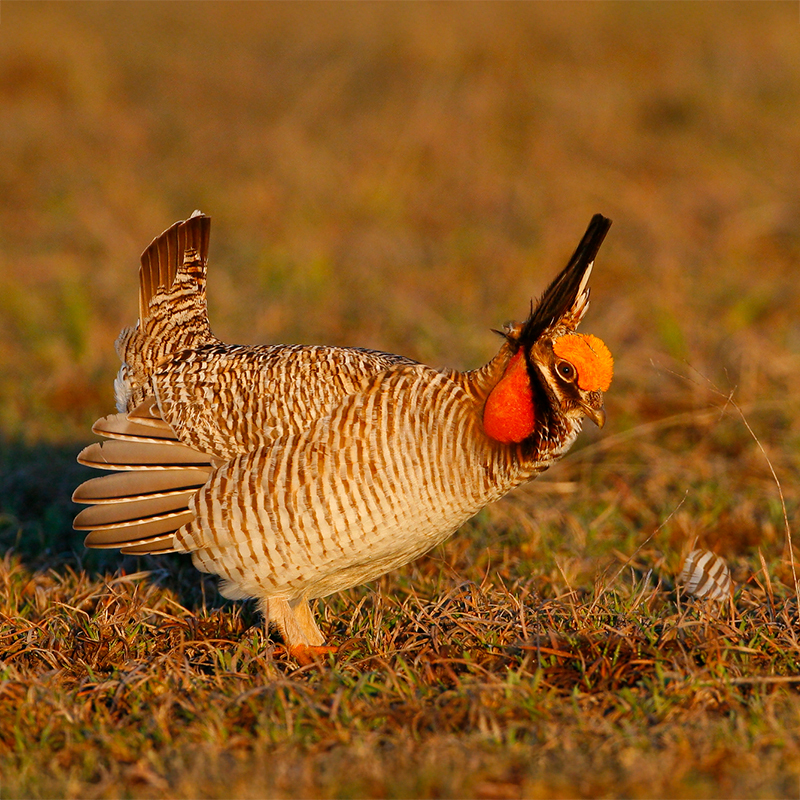
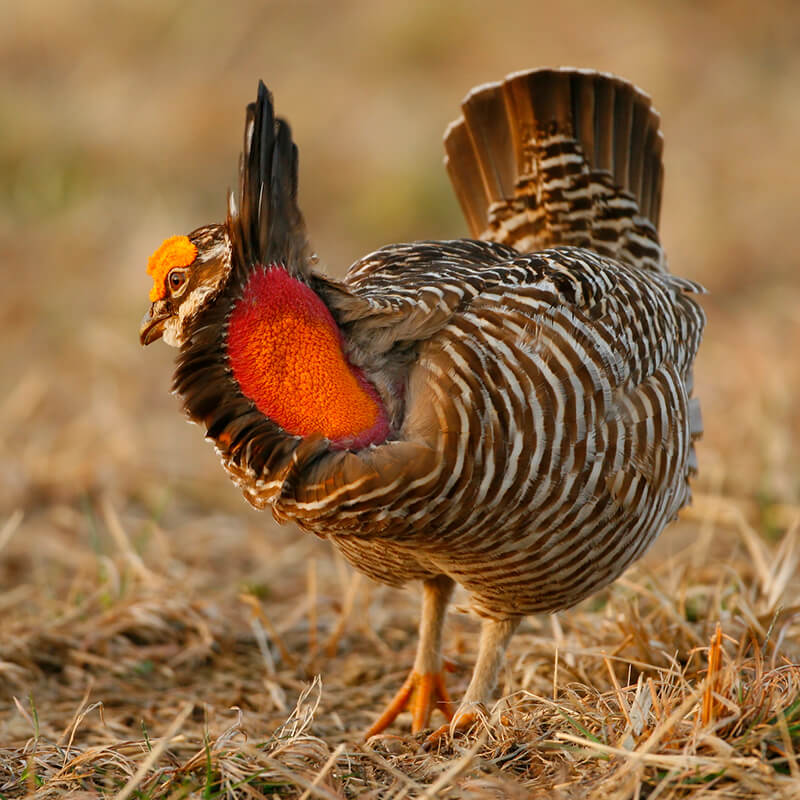
The presence of prairie-chickens signals a healthy prairie landscape. Each spring, from mid-March to mid-May, males gather at leks—slightly elevated areas with sparse vegetation—to defend territories and attract mates. Physical battles leave leks littered with feathers. Males perform an elaborate display, lowering their heads, raising their tails, and stomping their feet up to 21 times per second (Augustine & Trauba 2015, Journal of Ethology). This culminates in the raising of pinnae feathers behind their head, inflation of a colorful air sac, and a loud vocalization. Lesser Prairie-Chickens have magenta air sacs and emit a short, high-pitched ‘pop,’ while Greater Prairie-Chickens have orange air sacs and produce a longer, lower-pitched three-note ‘boom.’ Male Lesser Prairie-Chickens also engage in a unique cooperative display where males alternate pop vocalizations within fractions of a second. Females visit leks to choose mates but raise offspring alone, with fewer than 20% of males successfully mating.
Learn about the Kanas Lek Treks Prairie-Chicken Festival. This birding event includes opportunities to view both Greater and Lesser Prairie-Chickens. The timing of the festival coincides with the peak of prairie-chicken breeding and female visitation to the lek.


.svg)
.svg)
.svg)